
Industrial workplaces contain risks that cannot always be eliminated through engineering controls alone. Moving machinery, sharp materials, electrical systems, vehicle movement, elevated work and material handling can all create situations where suitable safety equipment becomes an important part of the overall control strategy. This is why Industrial Safety Material Supply should be planned around actual workplace hazards rather than treated as a routine purchasing exercise.
For manufacturing units and engineering businesses in Dhule, the requirement is particularly relevant as industrial activity across North Maharashtra involves different operating environments, workforce sizes and site conditions.
Begin With Hazard Identification
Before preparing a safety material list, identify where employees, contractors and visitors may be exposed to risk.
A workplace assessment may examine:
- Falling objects and overhead work
- Flying particles and grinding operations
- Chemical splashes
- Dust and airborne contaminants
- Excessive workplace noise
- Electrical exposure
- Working at height
- Slippery surfaces
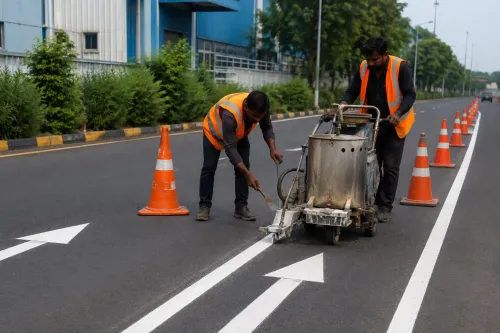
- Vehicle and pedestrian movement
- Welding and cutting operations
- Manual material handling
This assessment provides a practical basis for deciding what type of industrial safety material is required.
For example, a helmet selected for general site protection does not automatically address electrical hazards. Similarly, ordinary gloves may not be appropriate where workers handle chemicals, sharp components, hot materials or electrical equipment.
Match Equipment to the Application
One of the most common procurement mistakes is selecting products mainly by price or appearance.
The correct approach is to consider the intended use, relevant specifications, working conditions and compatibility with other protective equipment.
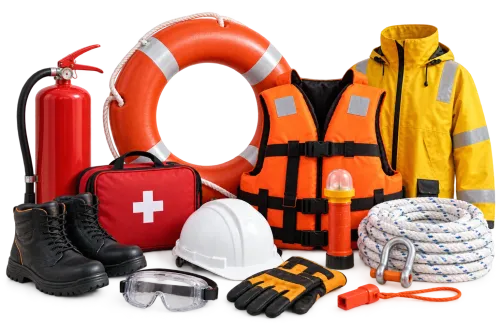
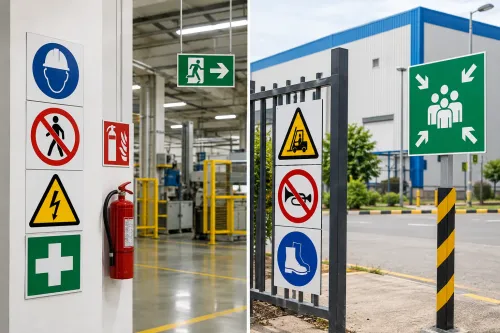
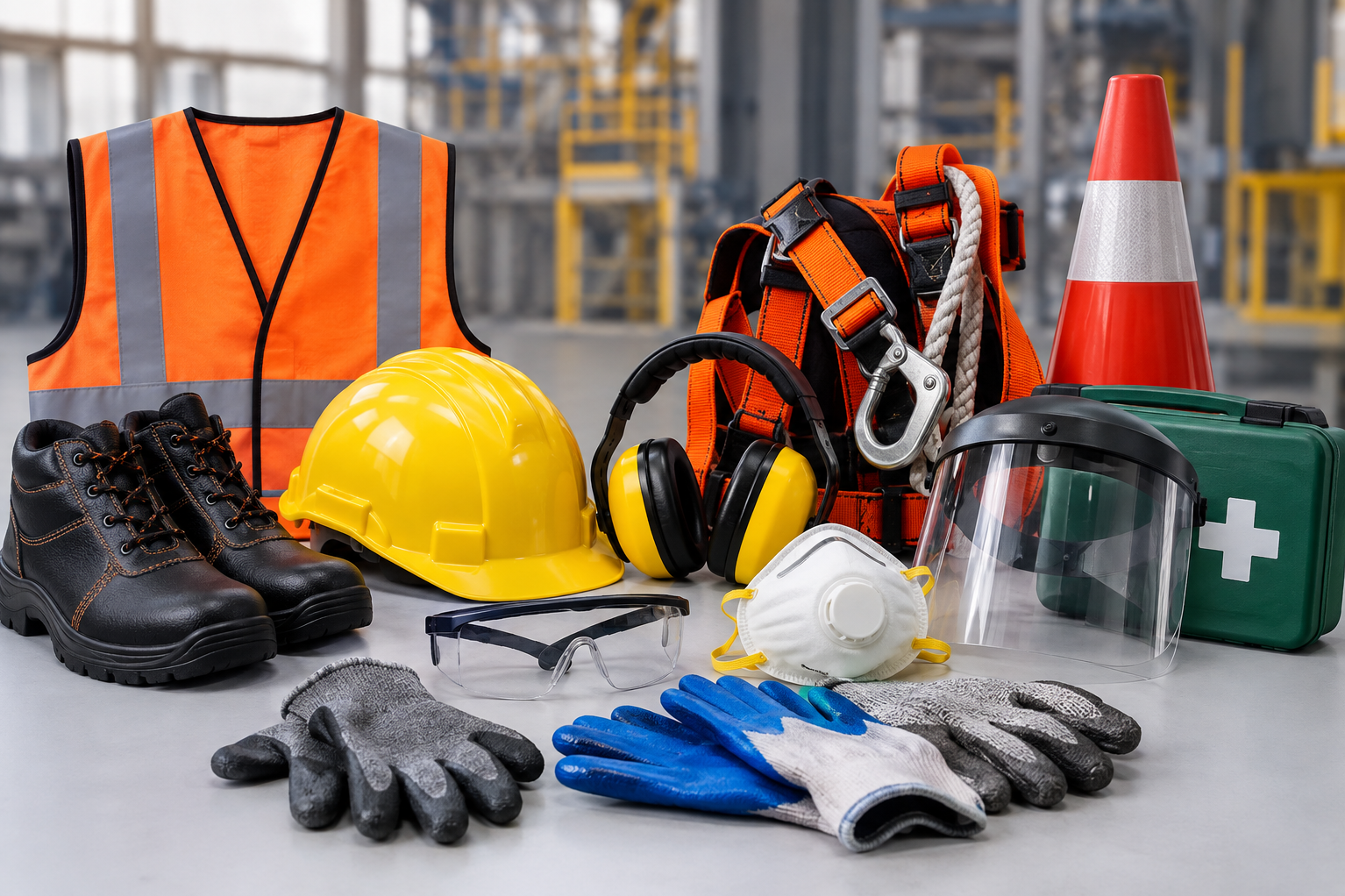
A typical industrial safety requirement can include safety helmets, protective footwear, gloves, goggles, face shields, hearing protection, respiratory protection, reflective garments, fall protection products, safety signs and emergency-related equipment.
The exact combination should depend on the workplace rather than a standard universal list.
Consider Comfort Alongside Protection
Protective equipment that is difficult to wear can create another practical problem. Employees may adjust it incorrectly, remove it frequently or avoid using it consistently.
Procurement teams should therefore consider:
- Fit and adjustability
- Weight
- Ventilation where appropriate
- Ease of movement
- Visibility
- Compatibility between different PPE items
- Duration of expected use
A worker wearing a helmet, face shield, respirator and hearing protection simultaneously needs equipment that can function together without interfering with correct positioning.
Inspection Should Continue After Purchase
Safety procurement does not end when material reaches the facility.
Equipment should be checked before issue and inspected periodically according to its type, manufacturer guidance, applicable requirements and site procedures.
Damaged helmets, scratched eye protection, worn footwear, deteriorated harness components and unreadable safety signs should not simply remain in circulation because they are still physically present.
Companies can improve control by maintaining issue records and defining inspection and replacement procedures for critical equipment.
Frequently Asked Questions
Should every employee receive the same PPE
Not necessarily. PPE should correspond to the hazards associated with the employee's task and work area.
Is the cheapest compliant-looking product sufficient
Price is only one consideration. Suitability, applicable standards, product specifications, durability, fit and supplier documentation should also be evaluated.
How frequently should safety equipment be replaced
There is no single replacement period for every product. Condition, usage, exposure, manufacturer guidance and applicable requirements all matter.
A structured Industrial Safety Material Supply programme makes procurement more closely connected with workplace risk management. Innovative Safety Solutions supports industrial customers seeking safety materials for different workplace applications. For businesses in Dhule and the wider North Maharashtra industrial region, defining hazards before purchasing is one of the most effective ways to create a more relevant safety inventory.