Construction sites change constantly. Excavations open and close, temporary electrical systems are installed, workers move between levels and new contractors enter the project as work progresses. A safety arrangement that was adequate during one phase may no longer suit the next.
This makes Construction Safety Material an evolving site requirement rather than a one-time purchase.
For contractors managing projects in Nashik and across North Maharashtra, planning safety materials according to project stages can help maintain better control as site conditions change.
Review Requirements Before Work Begins
Pre-mobilisation planning should identify major work activities and their associated hazards.
The review may include excavation, lifting, scaffolding, electrical work, welding, cutting, work at height, material movement and vehicle access.
Once these activities are mapped, the project team can determine what safety equipment should be available before each phase starts.
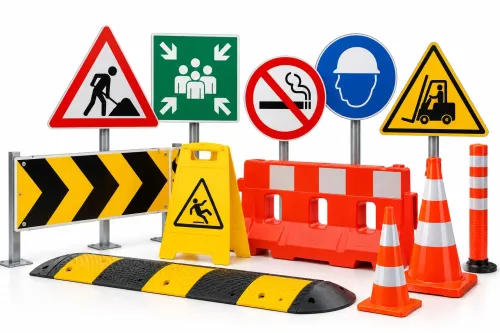
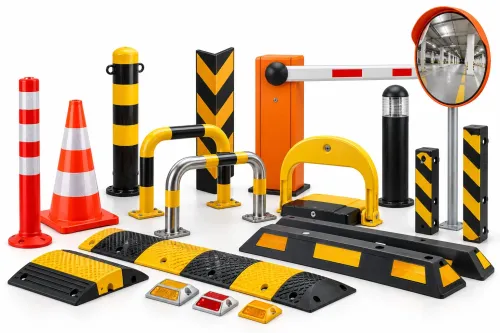
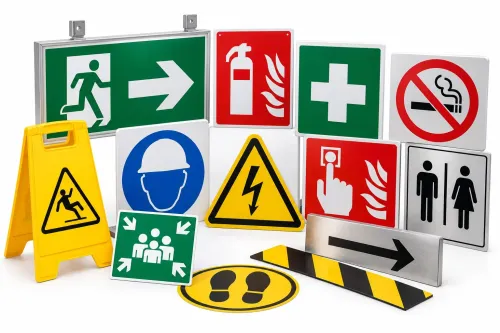
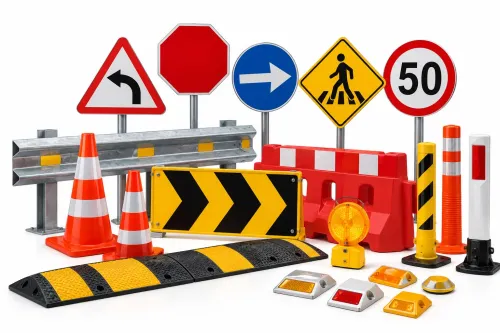
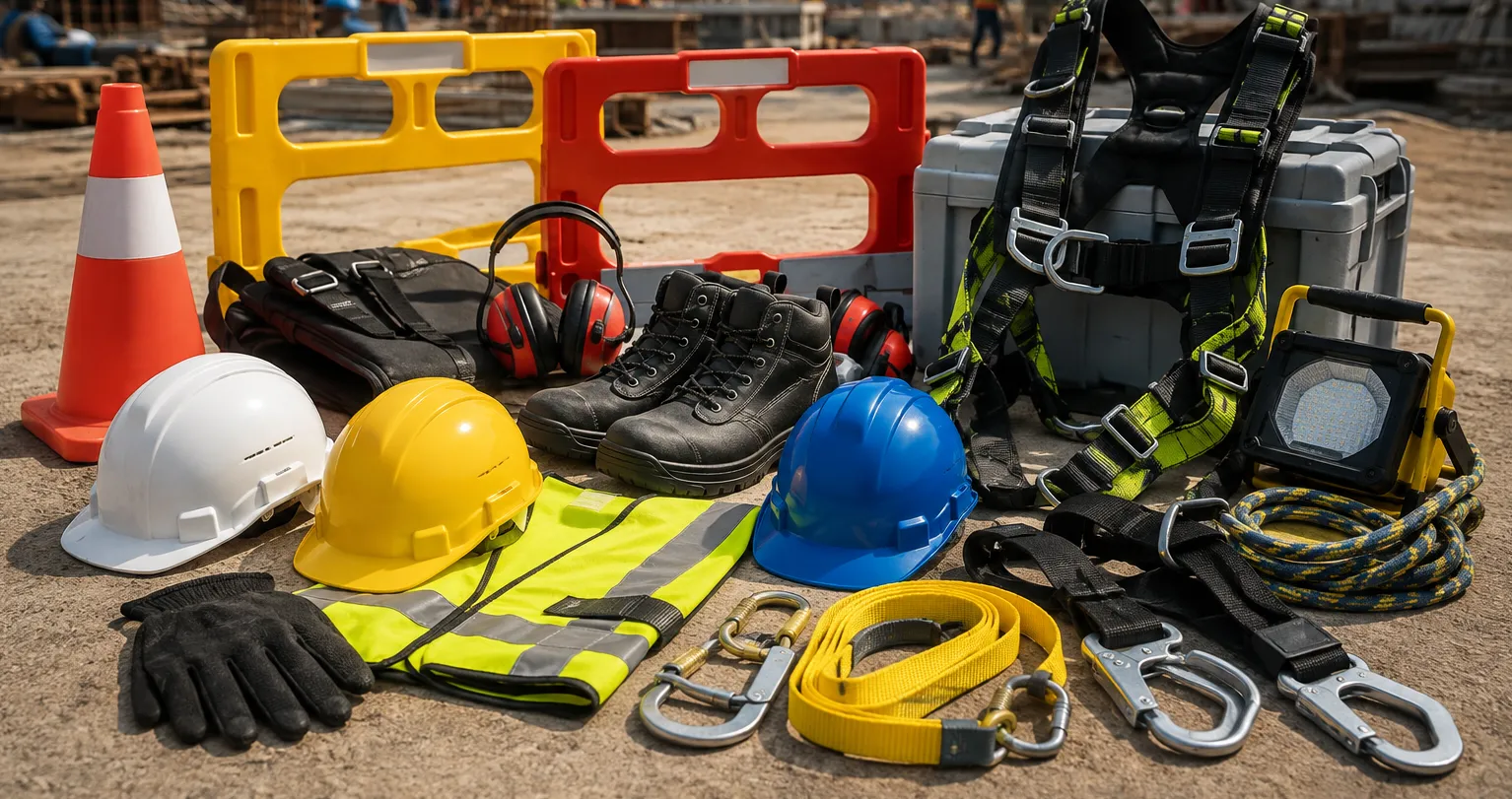
Typical requirements may include PPE, barricading systems, caution products, reflective equipment, safety signs, fall protection products and task-specific protective equipment.
Separate Personal Protection From Area Protection
A worker's PPE protects the individual, while many construction hazards also require controls around the work zone.
For example, providing helmets does not replace the need to manage an area where overhead work is occurring. High-visibility jackets do not remove the need for suitable vehicle routes and traffic controls.
Construction planning should therefore consider both personal and collective protective measures.
Manage Fall Protection Carefully
Working at height requires particular attention because equipment selection depends on the work method and the complete system being used.
Harnesses, connectors, anchor arrangements and related components should be selected for their intended applications and used according to appropriate requirements and manufacturer guidance.
Equipment should also be inspected by competent personnel as required.
A harness should not be treated as a generic item that automatically makes every height-related activity safe.
Plan for Changing Site Conditions
A construction safety review should continue throughout the project.
Useful trigger points include:
- Beginning a new project phase
- Introducing new machinery
- Starting elevated work
- Opening an excavation
- Changing access routes
- Increasing vehicle movement
- Bringing additional contractors onsite
- Beginning electrical installation work
Each change may introduce different material requirements.
Storage Matters on Construction Sites
Dust, water, sunlight and rough handling can shorten the useful condition of some safety products.
Create designated storage areas and avoid leaving critical PPE scattered around the site. Equipment that becomes contaminated, damaged or otherwise unsuitable should be isolated from service.
Issue records can also help larger projects understand consumption and replacement needs.
Common Construction Safety Questions
Can one PPE kit be issued to every worker
Basic items may overlap, but task-specific requirements differ. A welder, electrician and general labourer can face different hazards.
When should safety requirements be reviewed
At project mobilisation and whenever activities, site conditions, equipment or work zones change significantly.
Is PPE enough for working at height
PPE is only one part of height safety. Work planning, access systems, anchorage, fall prevention measures, training, inspection and rescue considerations may also be relevant.
Effective Construction Safety Material planning follows the construction programme instead of remaining static. Innovative Safety Solutions supplies safety products for different industrial and project requirements.
For construction organisations operating in Nashik, coordinating procurement with changing project phases can reduce last-minute shortages and support more consistent site safety management throughout North Maharashtra.
Keywords