
Industrial workplaces involve constant movement of people, machinery, raw materials, vehicles, tools, and finished goods. In manufacturing environments, even a routine activity can become hazardous when the right Industrial Safety Material is unavailable, incorrectly selected, or poorly maintained.
For factories and industrial facilities in Nashik, Maharashtra, safety materials form an important part of day-to-day risk management. The requirement is not limited to personal protective equipment. A complete safety arrangement considers workers, machines, movement areas, restricted zones, emergency situations, and material handling activities.
What Comes Under Industrial Safety Material
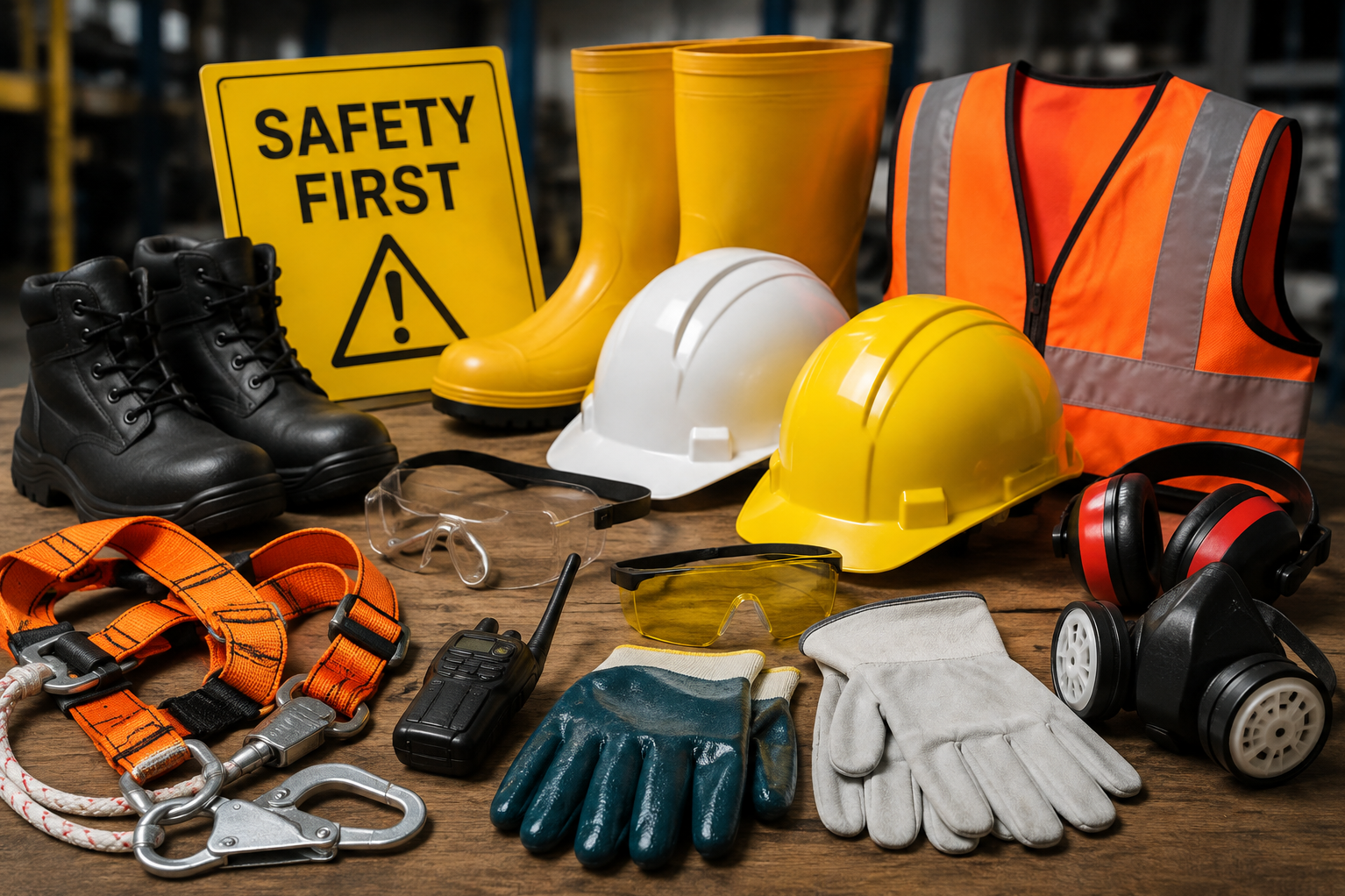
The exact requirement varies according to the type of facility and the hazards present. Common categories include:
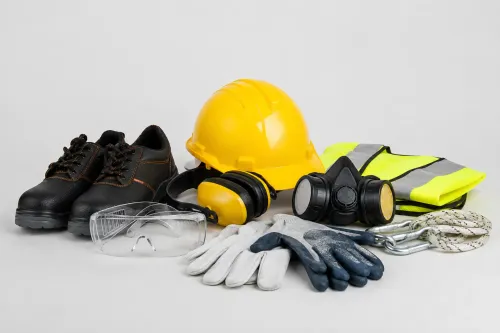
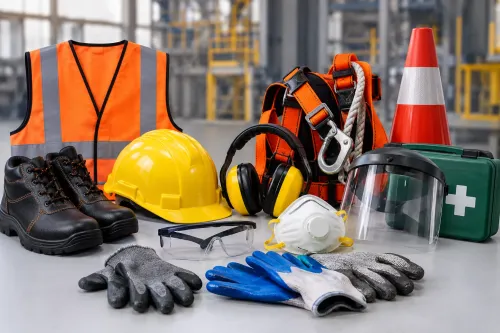
- Safety helmets and protective footwear
- Safety gloves and protective eyewear
- Reflective jackets and protective clothing
- Safety cones and barricades
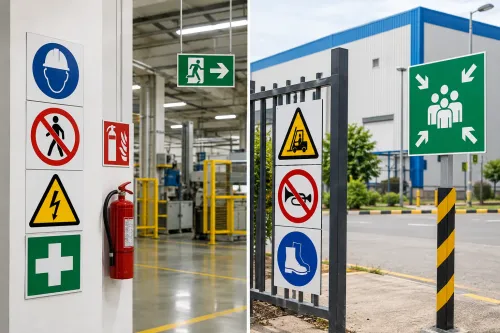
- Warning boards and floor markings
- Safety tapes and identification products
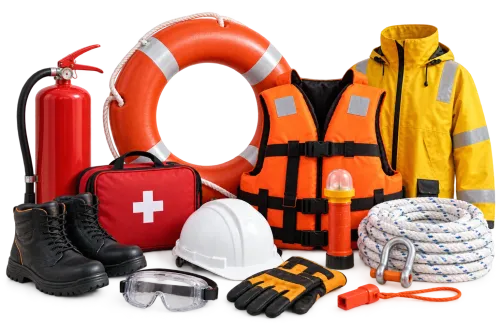
- Fall protection equipment
- Emergency and fire-related safety products
- First-aid and workplace safety accessories
Rather than purchasing the same products for every department, businesses should first understand where and how each item will be used.
Match Safety Products to Workplace Risks
A fabrication unit may have different requirements from a warehouse, engineering plant, chemical handling facility, or logistics operation.
For example, employees working around moving equipment may require high-visibility products, while workers performing cutting or grinding activities may need suitable eye, face, hand, and body protection. Areas with vehicle movement may require barriers, warning signs, and clearly identified pedestrian routes.
This risk-based approach helps businesses avoid buying products simply because they are commonly used elsewhere.
Product Quality Matters in Daily Operations
Industrial safety products are often exposed to dust, heat, moisture, impact, chemicals, sunlight, and frequent handling. Selecting products only according to initial cost may create replacement and performance issues later.
Procurement teams should consider durability, intended application, product specifications, ease of use, maintenance requirements, and compatibility with the working environment.
Make Safety Material Easy to Access
Even good safety equipment is ineffective when workers cannot access it when required.
Facilities can improve readiness by identifying frequently used safety products, maintaining department-level stock, monitoring consumption, and establishing replacement schedules. Safety signage and protective equipment should also remain clearly visible and accessible.
Safety Requirements Change With Operations
A factory expansion, new production line, additional warehouse, revised vehicle route, or new contractor activity can introduce different risks. Safety material requirements should therefore be reviewed whenever operations change.
INNOVATIVE SAFETY SOLUTIONS supports industrial customers with safety products suited to different workplace applications. For businesses across Nashik and surrounding industrial areas of Maharashtra, selecting appropriate safety materials can contribute to a more organised and risk-aware working environment.
Industrial safety is most effective when equipment selection is connected directly to actual workplace conditions rather than treated as a standard purchasing exercise.