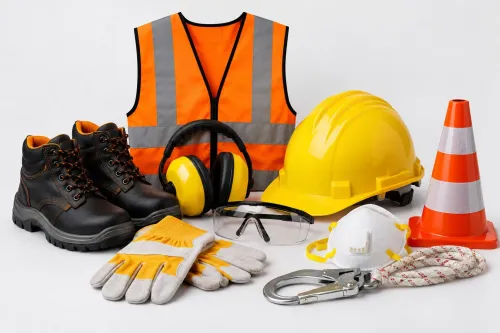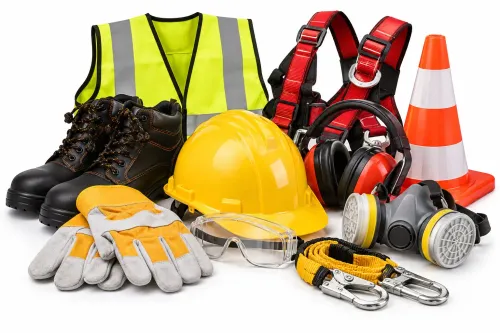
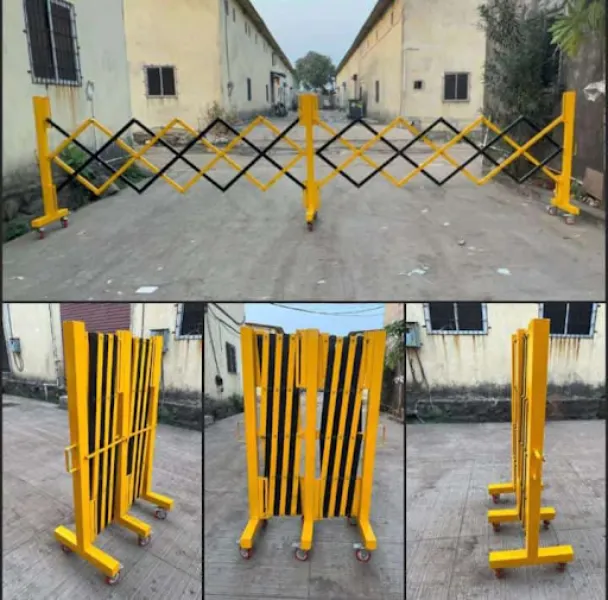
Road safety depends heavily on what drivers and pedestrians can see, understand, and respond to while moving through an area. Signs, delineators, barriers, markers, reflectors, and other Road Furniture help communicate road conditions and organise movement without requiring continuous manual supervision.
In developing urban and industrial areas around Dhule, these products can support safer movement across roads, parking zones, construction areas, industrial premises, and institutional campuses.
What Is Road Furniture
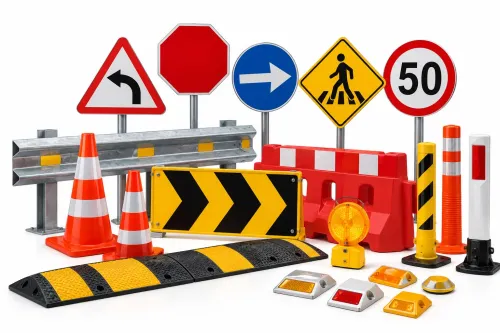
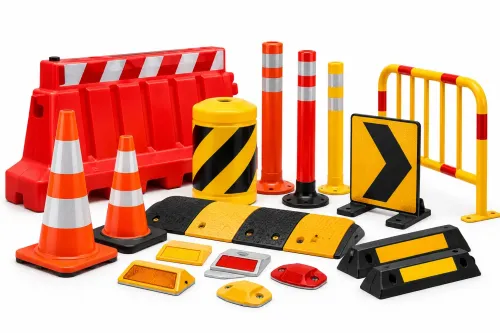
Road furniture is a broad term covering physical products installed along or around roads to guide, warn, separate, or inform road users.
Depending on the application, it can include:
- Traffic cones
- Delineators
- Road studs and reflectors
- Safety barriers
- Speed breakers
- Convex mirrors
- Bollards
- Traffic signs
- Directional signs
- Median markers
- Parking accessories
Each product performs a different function, so site conditions should determine what is required.
Visibility Helps Drivers Make Faster Decisions
Drivers often have only a few seconds to understand a change in road direction, approaching intersection, restricted area, speed-control point, or construction zone.
Visible and appropriately positioned traffic products can provide earlier information. Reflective components become particularly useful where visibility is reduced at night or during poor weather.
Industrial Premises Also Need Traffic Management
Road safety products are not limited to public highways.
Factories, warehouses, logistics hubs, commercial properties, and large campuses may have regular movement of cars, trucks, forklifts, two-wheelers, and pedestrians. Clearly separating these movements can reduce confusion.
Convex mirrors at blind corners, speed breakers on internal roads, bollards around protected zones, and directional signage are examples of practical internal traffic controls.
Product Selection Should Reflect the Site
An item suitable for a private parking area may not be appropriate for a busy road or heavy industrial environment.
Consider vehicle speed, traffic volume, exposure to sunlight and rain, visibility distance, impact risk, road width, pedestrian movement, and installation surface before selecting products.
Maintenance Protects Long-Term Visibility
Dust, vehicle impact, weather exposure, and normal wear can gradually reduce product effectiveness.
Regular inspections should identify damaged, faded, loose, displaced, or missing items. Cleaning and timely replacement can help maintain visibility.
INNOVATIVE SAFETY SOLUTIONS supports road and traffic safety requirements for varied applications. For organisations working in Dhule and across North Maharashtra, thoughtful road furniture selection can contribute to clearer traffic movement and better organised spaces.
Effective road safety infrastructure is not about installing the largest number of products. It is about positioning the right visual and physical guidance where road users actually need it.
Keywords