Safety programmes are often associated with major incidents, yet many workplace controls are designed to prevent ordinary daily exposures from becoming serious events. A slippery walkway, unprotected grinding operation, poorly marked restricted zone or damaged protective glove can all increase risk.
Selecting the right Industrial Safety Material therefore begins with understanding how people actually work.
In industrial areas of Nandurbar, companies across North Maharashtra can benefit from reviewing safety materials as part of routine operational planning rather than only after an incident or inspection.
Safety Material Extends Beyond PPE
Personal protective equipment is important, but industrial safety requirements can cover a much wider range of products.
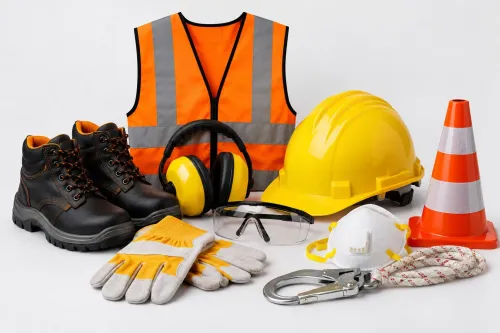
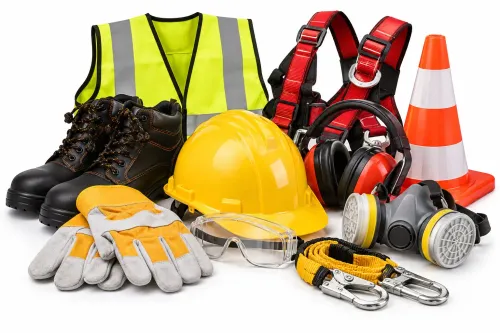
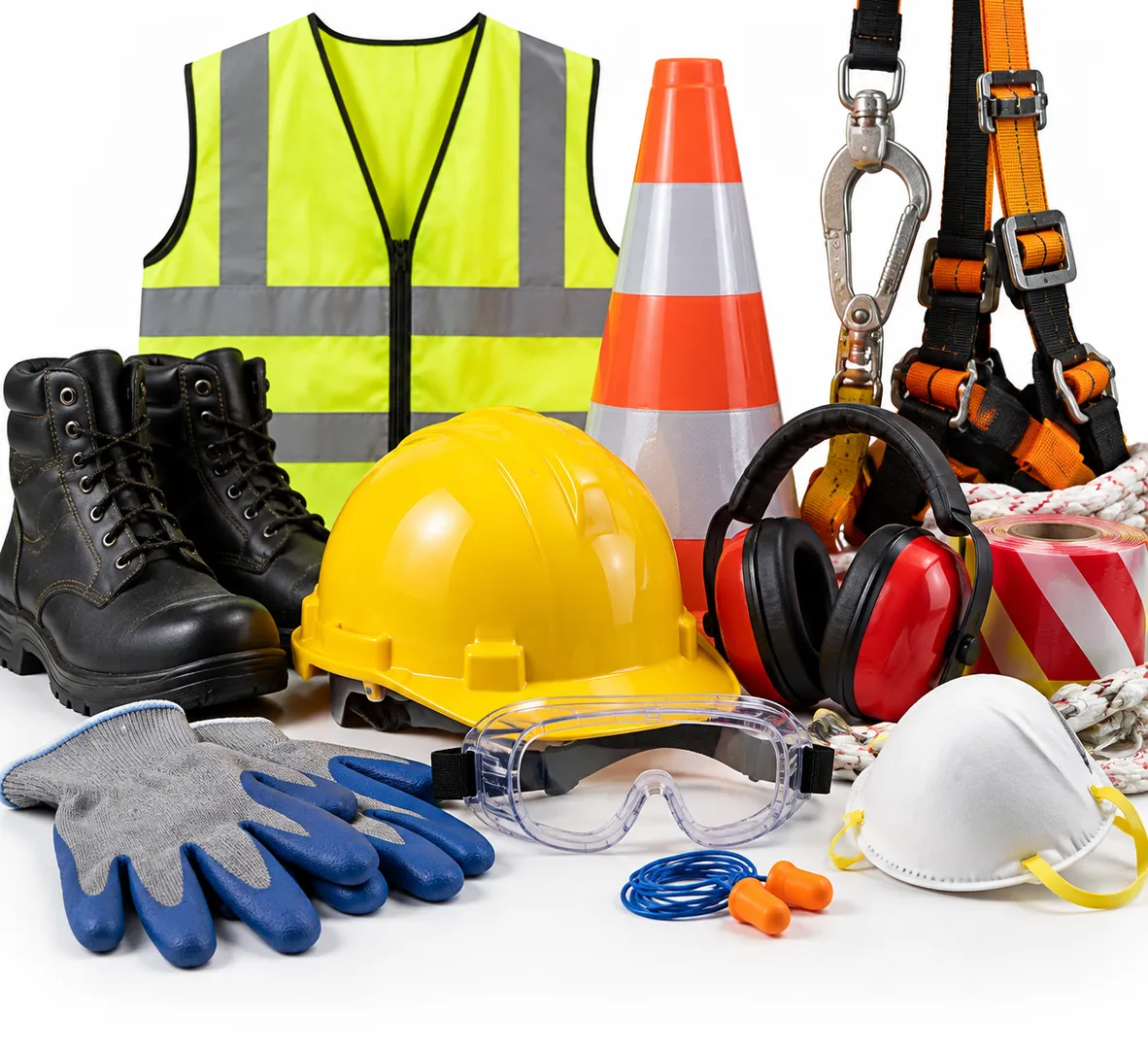
Depending on the facility, these may include:
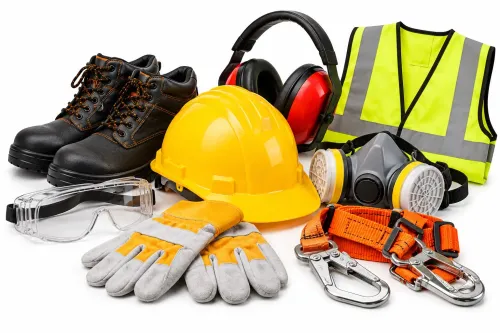
- Safety helmets and footwear
- Gloves and protective eyewear
- Respiratory and hearing protection
- Reflective garments
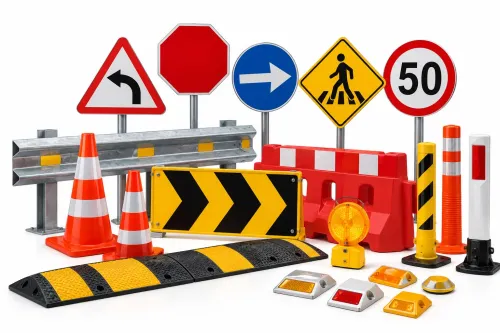
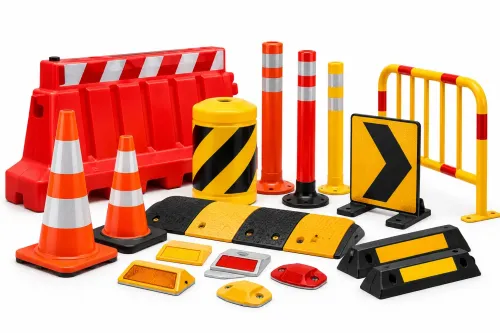
- Barricading products
- Safety signage
- Floor marking products
- Fall protection systems
- Lockout-related safety products
- Emergency equipment
- Traffic management products
The purpose of each item should be connected to an identified risk.
Build Controls Around Work Zones
Instead of creating one general safety list for an entire facility, consider dividing the site into functional zones.
A loading area may need traffic separation and high-visibility controls. A fabrication area may require eye, face, hearing and hand protection. An electrical maintenance zone may require specifically selected electrical safety products.
This zone-based approach makes requirements easier to understand and inspect.
It also reduces the chance of purchasing generic products that do not correspond to actual exposure.
Train Employees on Correct Use
Even technically suitable equipment can provide inadequate protection when used incorrectly.
Workers should understand why an item is required, how it should be fitted or positioned, what its limitations are and when it should be reported as damaged.
Training is particularly important for equipment whose effectiveness depends heavily on correct use.
Supervisors can reinforce this by checking safety practices during normal work instead of limiting attention to formal audits.
Introduce Routine Condition Checks
Safety material should not become invisible simply because it has been installed or issued.
Consider periodic checks for:
- Cracks and physical damage
- Excessive wear
- Missing components
- Faded markings
- Contamination
- Incorrect storage
- Expired items where applicable
- Poor fit
- Unreadable signs
- Equipment being used outside its intended application
Inspection frequency should reflect the product, level of use, workplace conditions and relevant guidance.
Frequently Asked Questions
Can safety material eliminate workplace risk
No single safety product eliminates every hazard. Safety equipment forms part of a broader control system that may include hazard elimination, engineering controls, procedures, supervision and training.
Should old equipment be kept as backup stock
Only if it remains suitable and serviceable. Damaged or deteriorated equipment should not be retained simply to increase available inventory.
Who should participate in safety material selection
EHS personnel, supervisors, users, maintenance teams and procurement staff may all provide useful input depending on the product.
The value of Industrial Safety Material lies in how appropriately it addresses real workplace conditions. A structured assessment of tasks, hazards, users and inspection requirements can make safety procurement substantially more useful.
For facilities in Nandurbar, Innovative Safety Solutions can be considered when businesses need industrial safety products aligned with practical workplace applications. Across North Maharashtra, the strongest procurement decisions begin with the hazard rather than the catalogue.
Keywords