

Marine environments place unusual demands on safety equipment. Moisture, corrosion, outdoor exposure, movement, handling conditions, and emergency requirements can all influence how safety products are selected and maintained.
Businesses sourcing Marine Safety Material should therefore evaluate products according to their actual operating environment rather than treating marine requirements as an extension of ordinary workplace safety.
For organisations operating from Nashik and supplying or managing marine-related activities, planned procurement can help maintain appropriate equipment availability.
Understand the Operating Environment
The first step is to identify where the safety material will be used.
Requirements may differ across vessels, docks, waterfront facilities, marine maintenance activities, transportation operations, or associated industrial environments.
Exposure to water and weather should be considered alongside routine workplace hazards.
Identify the Required Safety Categories
Depending on the operation and applicable requirements, marine safety planning may involve products related to:
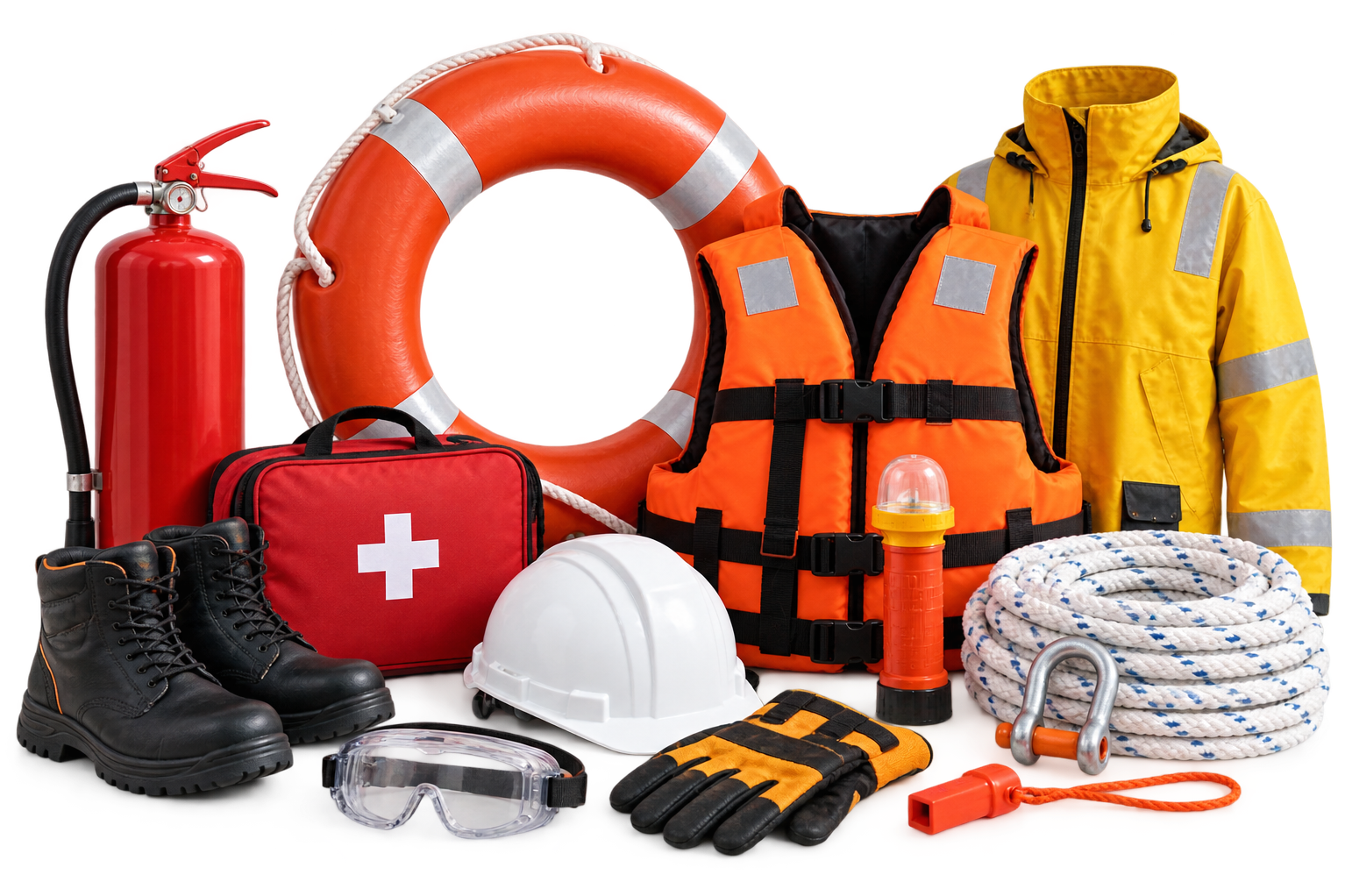
- Personal flotation
- Emergency identification
- Protective clothing
- Head, hand, eye, and foot protection
- Fire safety
- Rescue support
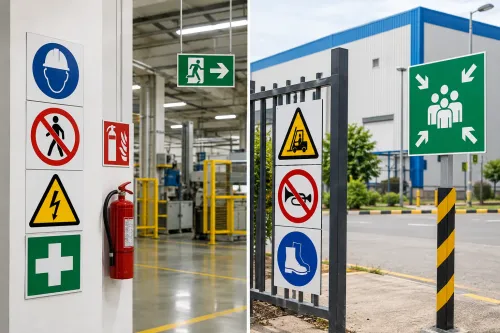
- Warning and directional signage
- Reflective identification
- First-aid preparedness
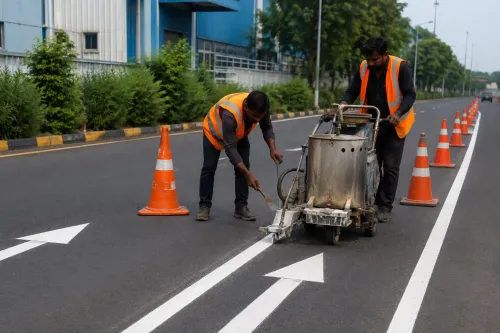
- Restricted-area marking
The exact selection should be based on the activities being carried out and the conditions in which personnel are working.
Durability Deserves Particular Attention
Marine environments can accelerate deterioration.
Moisture, salt exposure, sunlight, repeated handling, and outdoor storage may affect certain materials more quickly than they would in a controlled indoor facility.
Procurement teams should therefore consider construction quality, environmental suitability, storage conditions, inspection needs, and replacement intervals.
Inspect Equipment Regularly
Safety products should remain usable, identifiable, and accessible.
Regular checks can identify damage, corrosion, fading, contamination, missing components, or products that have exceeded their intended service condition. Inspection records can also help organisations plan replacements before shortages occur.
Keep Essential Equipment Accessible
Storage should protect equipment without making it difficult to reach.
Emergency-related products in particular should be placed where personnel can access them promptly. Locations should be clearly identified so that employees do not have to search for equipment during an urgent situation.
Choose a Supplier Based on the Requirement
When selecting a provider, explain the application rather than requesting products solely by generic category.
INNOVATIVE SAFETY SOLUTIONS supplies safety materials for varied industrial and specialised requirements. Organisations across Nashik, North Maharashtra can discuss their application, quantity, environment, and operational requirements before finalising suitable products.
Marine safety procurement works best when product selection, environmental suitability, storage, inspection, accessibility, and replacement planning are considered together. This creates a more organised approach to maintaining essential safety resources in demanding working conditions.