Industrial campuses, warehouses, logistics facilities and infrastructure sites often have one challenge in common: people and vehicles need to move through the same environment.
Forklifts, trucks, cars, loading vehicles, contractors and pedestrians can create complicated traffic interactions. Road Safety Furniture can support traffic management when products are selected and positioned according to actual movement patterns.
For facilities in Nandurbar, this type of planning can be particularly useful where industrial entrances connect directly with busy local routes in North Maharashtra.
Map Movement Before Buying Products
The first step should be understanding traffic flow.
Observe where vehicles enter, turn, reverse, park and load. Identify pedestrian crossings, blind corners and locations where people routinely take shortcuts.
A basic movement map can reveal where physical traffic-control products may be helpful.
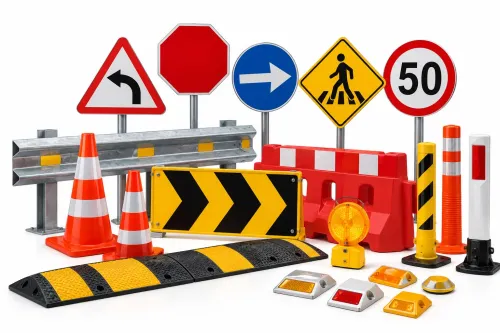
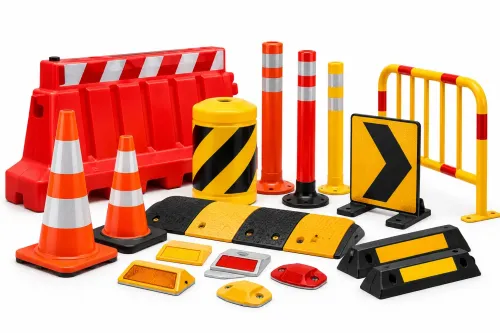
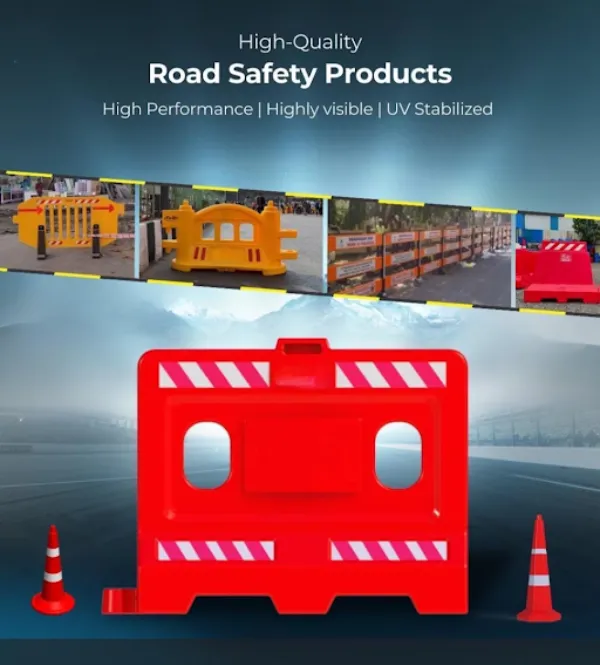
Depending on the site, road safety products may include barriers, bollards, delineators, cones, wheel-related parking products and other traffic-management equipment.
Match the Product to the Problem
A common mistake is purchasing visible traffic equipment without defining its purpose.
A product intended to guide vehicles may not provide physical impact protection. A lightweight temporary product should not automatically be treated as a permanent barrier.
Before selection, ask:
- Is the requirement guidance or physical separation?
- Is the installation temporary or permanent?
- What vehicles use the area?
- Is the product exposed to outdoor weather?
- Does it need to remain visible at night?
- Will pedestrians interact with the installation?
These questions make product comparisons much more meaningful.
Think About Driver Visibility
Drivers need enough time to identify a traffic control and respond safely.
Poor placement around corners, entrances or high-traffic areas can reduce effectiveness.
Site teams should consider sightlines, lighting and surrounding visual clutter before deciding final positions.
Warehouse and factory environments may also need coordination between external traffic controls and internal pedestrian routes.
Include Maintenance in the Plan
Traffic-control products experience physical wear.
Impacts, weather, vehicle contact and repeated movement can cause products to become damaged, loose or displaced.
Regular checks should identify:
- Damaged components
- Loose fixings
- Reduced visibility
- Incorrect positioning
- Obstructed traffic signs
- Worn reflective surfaces where applicable
A damaged product should be evaluated rather than assumed to remain effective because it is still standing.
Frequently Asked Questions
Can road safety products replace traffic management procedures
No. Physical products work most effectively when combined with suitable routes, signage, speed management, training and supervision.
Are temporary barriers suitable for permanent vehicle separation
Not automatically. Product capability should match the intended function and exposure.
Should warehouse yards have pedestrian routes
Where pedestrians and vehicles interact, separation and clearly managed movement should be evaluated as part of site risk control.
The strongest Road Safety Furniture strategy begins with movement patterns rather than a product catalogue. Innovative Safety Solutions can assist businesses assessing traffic and workplace safety product requirements.
For Nandurbar facilities operating within the wider North Maharashtra supply and logistics network, understanding how vehicles and people actually use the premises provides a stronger foundation for selecting suitable traffic-control products.
Keywords