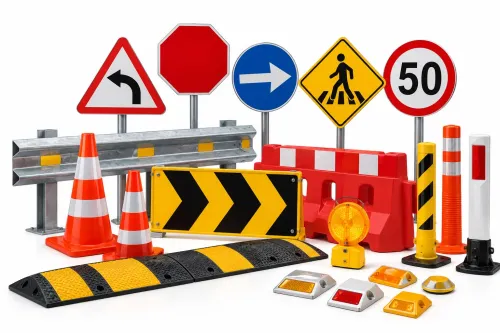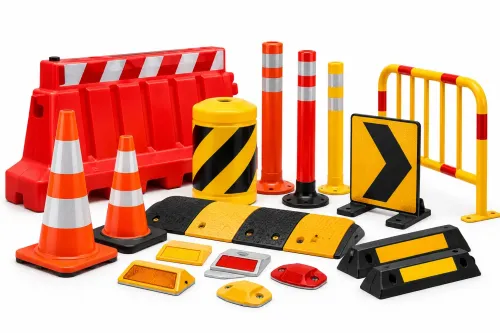
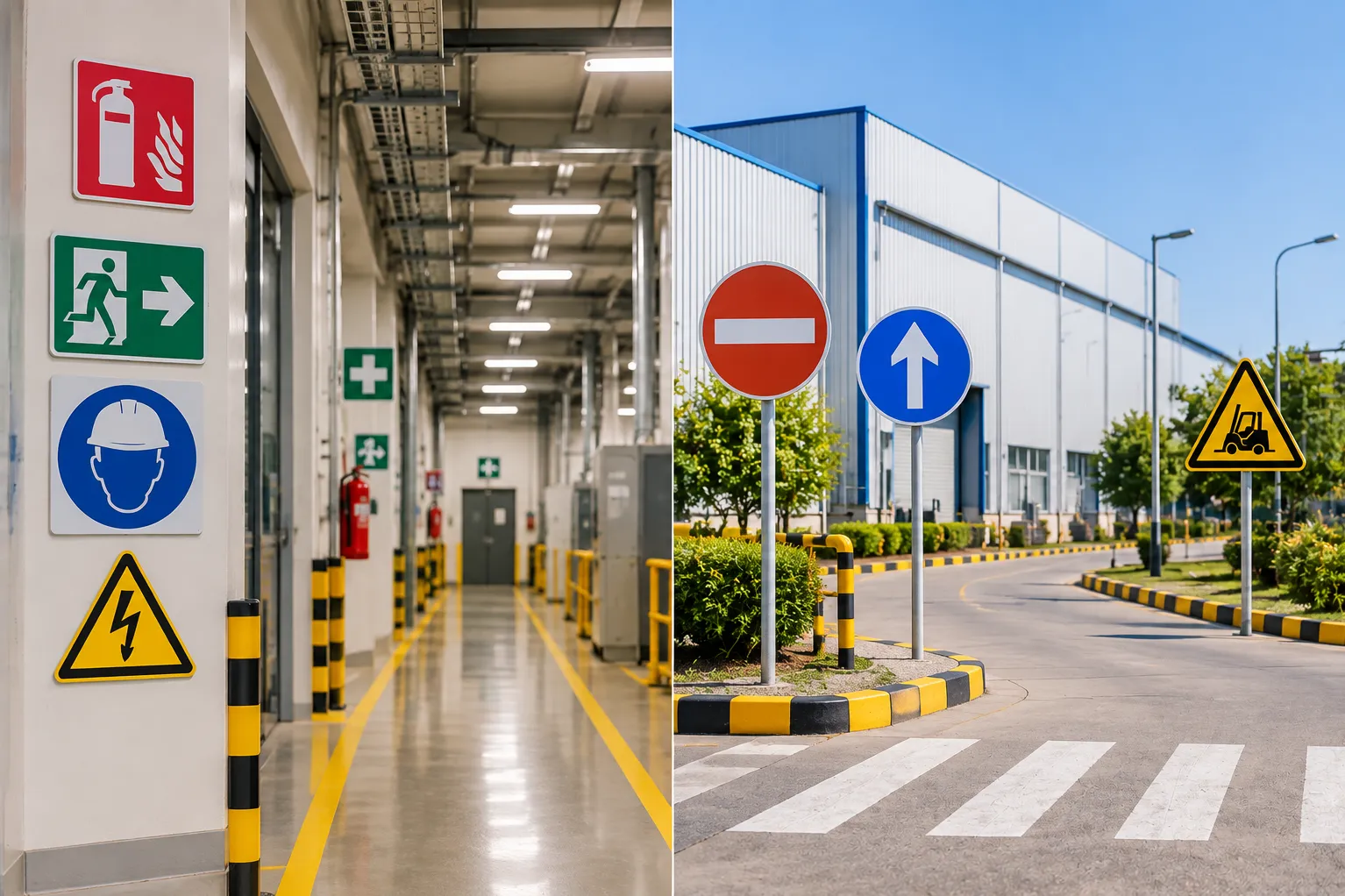
A safety sign has only a few seconds to communicate its message. If employees cannot see it, understand it or associate it with the relevant hazard, its practical value falls sharply.
This makes Indoor & Outdoor Safety Signages an important part of facility communication, particularly where employees, contractors, drivers and visitors share the same premises.
For industrial facilities in Jalgaon, good signage planning can support clearer movement and hazard awareness across workplaces in North Maharashtra.
Start With the Decision the Sign Must Trigger
Before ordering a sign, ask what someone should understand or do after seeing it.
The objective may be to warn of a hazard, prohibit an activity, identify mandatory PPE, provide emergency direction or control vehicle movement.
This simple question prevents facilities from installing signs merely because an empty wall appears to need one.
Indoor and Outdoor Conditions Differ
Indoor signs are often protected from weather but can still be affected by dust, chemicals, heat, poor lighting or obstruction.
Outdoor signage may face sunlight, rain, wind, dust and changing visibility conditions.
Material, mounting method, size and positioning should therefore correspond to the installation environment.
A sign that remains readable in an indoor corridor may not perform equally well at a large outdoor vehicle entrance.
Placement Influences Effectiveness
Useful signage should appear where people need the information.
Consider:
- Normal viewing direction
- Approach distance
- Mounting height
- Lighting
- Obstructions
- Vehicle speed where relevant
- Whether the sign is intended for workers, visitors or drivers
Facilities should also avoid creating excessive visual clutter. Too many competing signs in one location can make important instructions harder to notice.
Review Signs When the Facility Changes
Signage layouts should evolve with operations.
A review may be needed after:
- Machinery relocation
- New production lines
- Warehouse layout changes
- Revised pedestrian routes
- New vehicle entry points
- Changes to emergency exits
- Construction work
- Changes in restricted areas
Old signs that no longer match current conditions can create confusion and should be addressed.
Maintain Visibility Over Time
Outdoor signs can fade. Indoor signs can become covered by stored goods. Floor-level markings can wear down.
Periodic inspections should check readability, physical condition, mounting and continued relevance.
This is particularly important for emergency-related and traffic-related information.
Frequently Asked Questions
How many safety signs should a factory install
There is no useful universal number. Signage should reflect hazards, facility layout, emergency arrangements and applicable requirements.
Are larger signs always better
Not necessarily. Size should suit viewing distance, message importance and installation context.
Should multilingual signs be considered
Where language differences could affect comprehension, businesses may evaluate appropriate multilingual communication, symbols and workforce training.
Well-planned Indoor & Outdoor Safety Signages create a visual communication system rather than a collection of isolated boards.
Innovative Safety Solutions works with businesses evaluating industrial and safety signage requirements. For companies in Jalgaon and elsewhere across North Maharashtra, reviewing signs from the perspective of the person approaching the hazard can reveal weaknesses that are easily missed during desk-based procurement.
Keywords