
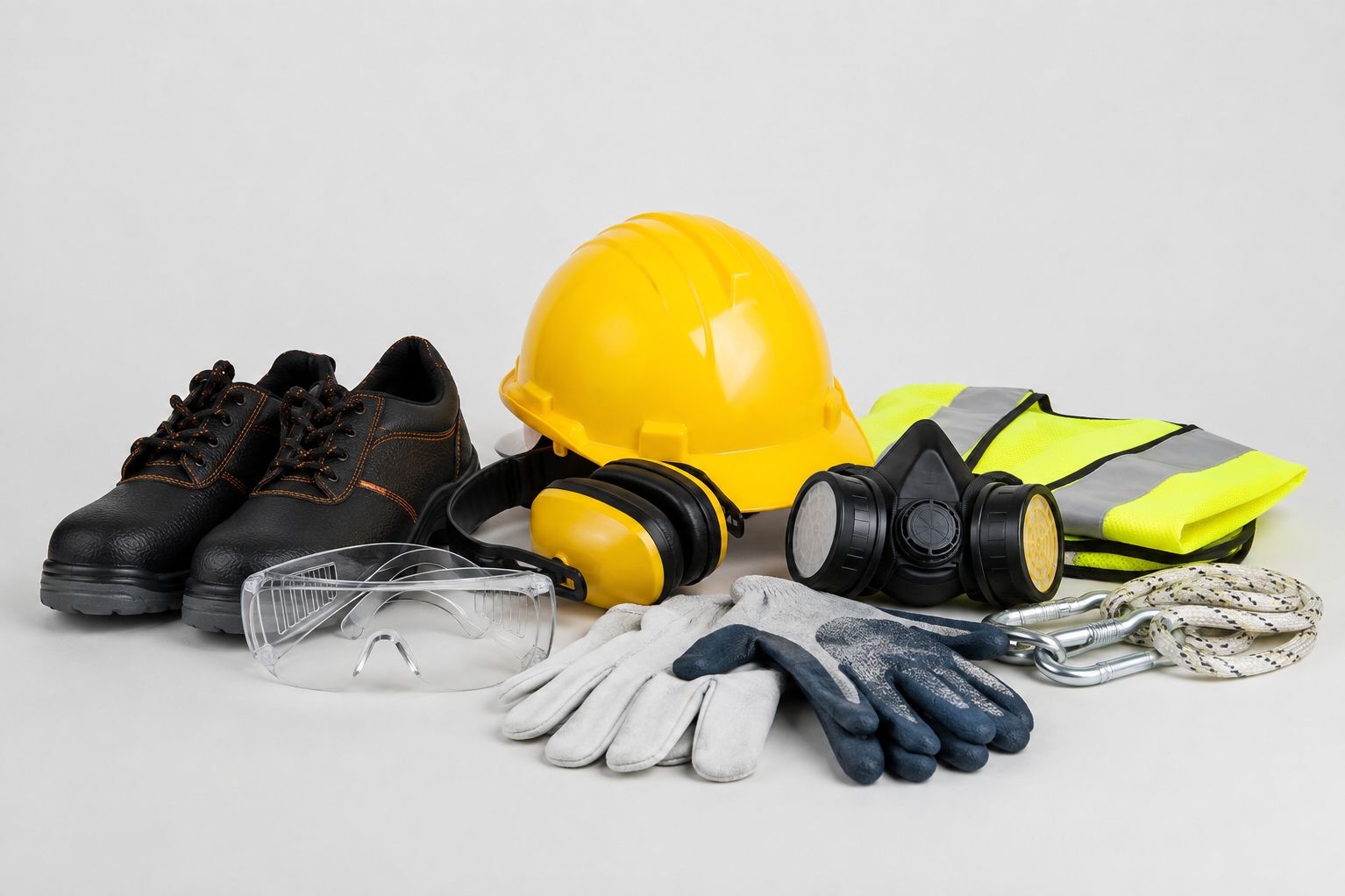
Buying personal protective equipment in bulk is not simply a matter of finding a supplier with helmets, gloves, shoes and safety jackets in stock. Manufacturing companies, warehouses, contractors and engineering businesses often require different PPE for different departments, hazards and work conditions.
For procurement teams in Jalgaon, choosing a dependable PPE Wholesale Supplier means looking beyond price and evaluating product suitability, consistency, documentation, availability and long-term supply support. This becomes especially important for industrial buyers across North Maharashtra, where uninterrupted PPE availability can affect daily operations.
Start With the Work Activity
The most effective PPE purchasing process begins with the task rather than the product.
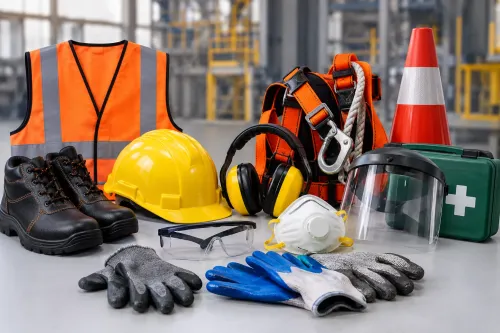
A grinding operator may need appropriate eye and face protection. Material-handling staff may require suitable gloves and safety footwear. Welding teams may need dedicated face, hand and body protection. Employees working in dusty conditions may require respiratory protection based on the actual exposure.
This means one standard PPE kit may not be suitable for every worker.
Before placing a bulk order, procurement teams should identify:
- Work activity
- Nature of the hazard
- Duration of exposure
- Required level of protection
- Worker sizes
- Frequency of use
- Compatibility with other PPE
- Applicable workplace requirements
Creating this requirement list first reduces the risk of purchasing products that look appropriate but are not suitable for the actual job.
Check Product Specifications Before Comparing Prices
Two products with similar names can differ considerably in material, design, intended application and protective capability.
A quotation should therefore provide enough product information for technical evaluation.
Depending on the PPE category, buyers may need to review:
- Product model
- Material
- Size range
- Intended use
- Relevant standards
- Manufacturer details
- Technical documentation
- Care and maintenance information
Descriptions such as 'industrial gloves' or 'safety helmet' may be too broad for accurate procurement.
The purchasing team should know exactly what product is being quoted before comparing suppliers.
Look at Supply Consistency
A supplier may offer an attractive price for the first order but still create difficulties later if the same models or sizes are not readily available.
For businesses that issue PPE regularly, continuity matters.
Useful questions include:
- Are commonly used sizes available consistently?
- Can repeat orders maintain the same product specification?
- Can the supplier handle large-volume requirements?
- Is there support for multiple PPE categories?
- What alternatives are available if a model is discontinued?
- Can urgent replenishment requirements be managed?
These questions are particularly relevant for factories and industrial contractors where PPE consumption is ongoing rather than occasional.
Consider Comfort and Usability
Protective equipment needs to be worn correctly to perform its intended function.
Poor fit, excessive weight, limited ventilation or restricted movement can result in workers adjusting equipment incorrectly or avoiding consistent use.
When selecting PPE in bulk, procurement teams should consider comfort alongside technical suitability.
This is especially important where workers wear multiple protective items at the same time.
For example, a helmet, face shield, respirator and hearing protection may all need to function together without interfering with correct positioning.
Do Not Choose Only by Unit Price
The lowest unit price does not always provide the best overall value.
A cheaper glove that wears out rapidly may require more frequent replacement. Poorly fitting safety shoes may create discomfort and increase replacement requests. Low-quality eyewear may become scratched quickly and reduce visibility.
A stronger purchasing decision considers:
- Purchase cost
- Expected service life
- Suitability for the task
- Worker comfort
- Replacement frequency
- Product consistency
- Supplier reliability
This gives procurement managers a more realistic view of total value.
Plan Storage and Stock Control
Bulk buying creates another responsibility after delivery.
PPE should be stored in conditions that help protect it from moisture, dust, direct sunlight, contamination or physical damage where relevant.
Businesses can also maintain basic records for:
- Stock received
- Items issued
- Department allocation
- Sizes
- Reorder levels
- Replacement frequency
- Damaged stock
These records can reveal unusually high consumption and help procurement teams forecast future requirements more accurately.
Common Questions About PPE Procurement
Is bulk purchasing always more economical
Not necessarily. Volume purchasing can reduce unit cost, but excessive inventory can create storage issues or leave the business with products that are no longer required.
Can the same glove be used throughout a factory
Usually not where different hazards exist. Cut resistance, chemical protection, heat protection, grip and dexterity requirements may vary by task.
What should be shared when requesting a quotation
Provide the intended application, required product type, quantity, size details where relevant, specifications and delivery expectations.
How often should PPE requirements be reviewed
Requirements should be reviewed whenever work activities, equipment, processes, hazards or workforce needs change significantly.
Choosing a reliable PPE Wholesale Supplier is ultimately about maintaining the right protective equipment for the right work activity.
Innovative Safety Solutions supports industrial businesses with PPE and workplace safety material requirements. For organisations in Jalgaon and the wider North Maharashtra industrial region, clearly defining technical requirements before requesting bulk quotations can make supplier selection more accurate, reduce unsuitable purchases and improve long-term procurement consistency.